The 10 Gospel Albums That Changed How Africa Worships
BY GMUSICVIBES EDITORIAL
Published Jun 16, 2026
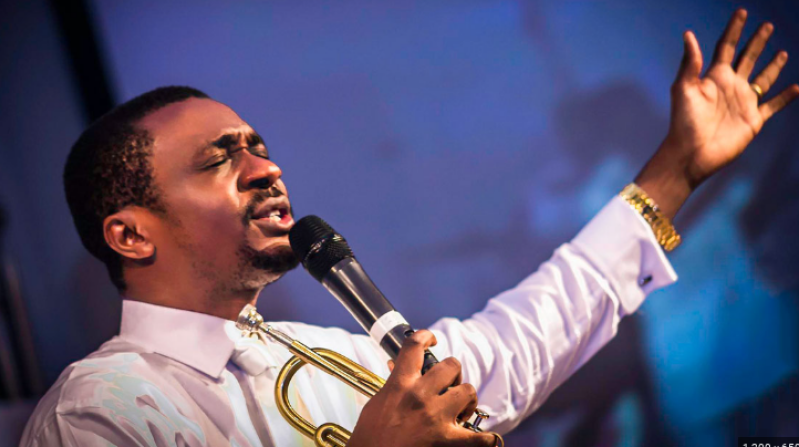
There's a version of this list that
would just rank the best-selling albums and call it done. This isn't that list.
What I'm interested in here is
something harder to measure: the albums that actually shifted something. The
ones that introduced a new sound, gave the church a new language, pulled
worship in a direction it hadn't gone before. Some of these sold millions.
Others never charted anywhere. But every single one of them left a mark on how
African Christians sing to God — and in several cases, how the world does too.
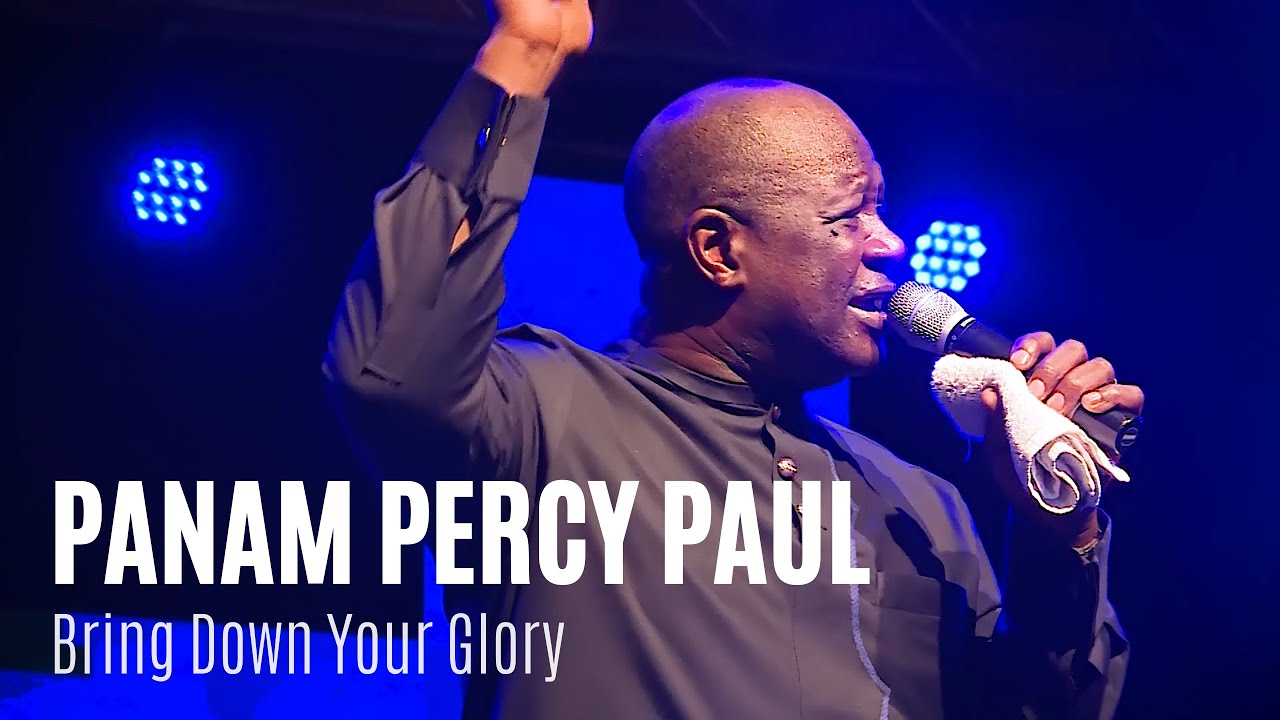
Before there was a "Nigerian
gospel sound," there was Panam. And before there was the Panam most people
know, there was Master of the Universe — the album that made his name
permanent.
Panam Percy Paul had been releasing
music since the 1980s, blending country music textures with African highlife in
a way that nobody else was doing. But Master of the Universe was the one
that built his altar in sound. The opening track, "African Way,"
basically announced a gospel philosophy: this is praise that belongs here, that
grew from this soil, that doesn't need to sound like anything from America to
be holy.
The release concert in Adamawa in
1997 tells you everything. The hall seated 3,000 people. About 24,000 showed
up, blocking every entrance and window. That's not a music story. That's a
revival story. And it's still what happens when you put African gospel in the
hands of someone who truly believes it.
Panam
Percy Paul — Bring Down the Glory 4: Deep Intimacy (2003)
He appears twice on this list
because he earned it twice.
If Master of the Universe
announced Panam's sound, Deep Intimacy refined it into something that
sounds like it was recorded inside a prayer session that never quite ended. The
album arrived in 2003, in the middle of a decade when Nigerian mega-churches
were exploding and the demand for worship music that could hold a congregation
of thousands had never been higher.
Bring Down the Glory 4 answered that demand — not with spectacle, but with depth.
There's a reason Panam has a college of music ministry in Jos and has spent
decades training the next generation. He understood early that the point of
worship music isn't to perform. It's to lead people somewhere. This album leads
people somewhere.
Nathaniel Bassey — Elohim (2008)
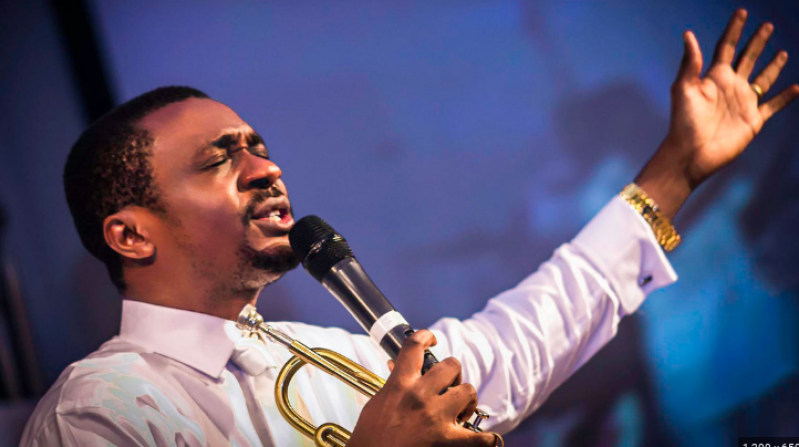
Nathaniel Bassey started as a jazz
trumpeter. He played with the Steve Rhodes Orchestra — the same outfit that
Fela Kuti's former manager built — and he was good enough that secular music
could have been his entire story.
Then he made Elohim, and
everything changed.
The debut album was recorded in Cape
Town and it arrived sounding like nothing else in Nigerian gospel at the time.
Jazz sensibility, hymn structure, worship DNA — all of it at once. The lead
track, "Someone's Knocking at the Door," caught ears locally and
internationally in a way that suggested this wasn't just a good album. It was
the beginning of a new lane.
What Elohim did for African
gospel was prove that sophisticated musicianship and deep worship weren't
opposites. You could be technically excellent — classically trained,
jazz-influenced, musically nuanced — and still be completely surrendered. That
balance became Nathaniel Bassey's signature. This album was where he signed it.
Nathaniel Bassey — Imela (2012)
If Elohim established the
blueprint, Imela broke the wall.
The title track — "Imela (Thank
You)" featuring Enitan Adaba — has gathered over 59 million YouTube views.
In 2012, that kind of number for a Nigerian gospel song was barely imaginable.
The song became one of those rare pieces of music that crosses generational
lines, denominational lines, even language lines. "Imela" means
"Thank You" in Igbo, but the emotion it carries needed no
translation.
Nathaniel Bassey has since become the first Nigerian gospel artist to surpass 400 million Spotify streams, joining a list that otherwise consists of names like Burna Boy, Wizkid, and Davido. Imela is where that journey began in earnest. And the trumpet — always the trumpet — became the instrument that identified a whole movement.
Sinach — I Know Who I Am (2013)
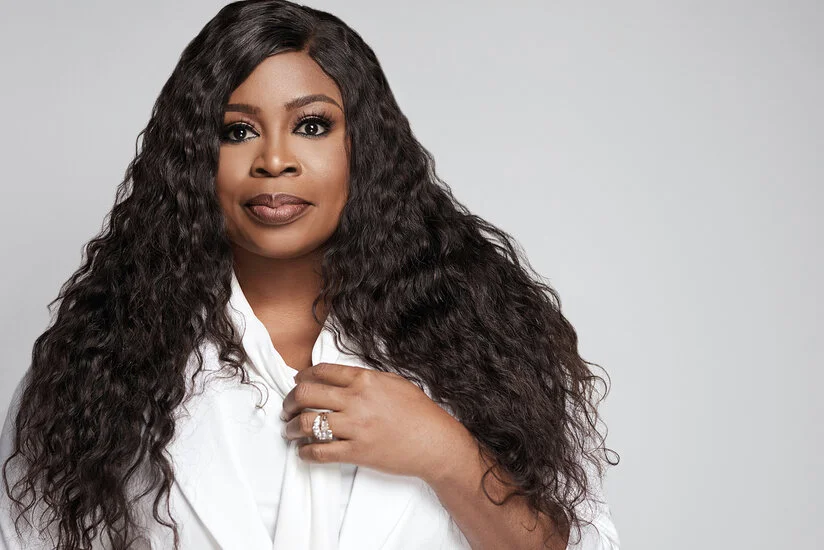
Before Way Maker, before the
Billboard chart history, before 60 languages and 210 million YouTube views,
Sinach released I Know Who I Am — and the title track became one of the
most sung declarations in African Pentecostal worship.
What made this album important
wasn't just the hit. It was what the hit represented: a theologically grounded
confidence that didn't sound arrogant, a worship song that was also, quietly, a
mental health song. "I know who I am, I am Yours" is simple. But it
answers a question that millions of people are living inside every day.
The album came out of the Loveworld
ecosystem that had already produced decades of music, but I Know Who I Am
crossed further than most Loveworld releases had managed to. It showed that the
congregation-first model of African Pentecostal worship — writing for your
church, trusting that God would send the song further — could produce music with
legs.
Joyous Celebration — Vol. 9 (2005)
South Africa's contribution to this
list is different in texture from everything else here, and it needs to be.
Joyous Celebration was formed in
1994 by Mthunzi Namba, Jabu Hlongwane, and Lindelani Mkhize. Their model was
unusual from the start: a collective, not a solo act, assembled from a rotating
pool of singers and built around choral excellence. Every year, a new album.
Every year, new voices. Every year, a sold-out live recording at a major venue.
Volume 9, released in 2005, became
their best-selling album and achieved double platinum status in South Africa.
Joyous Celebration's annual compilation albums have sold over 2 million copies
combined. But the numbers tell only part of the story. What Joyous Celebration
did — what this album did specifically — was hold the South African choral
tradition inside a contemporary gospel frame. The harmonies are cathedral-deep.
The productions are modern. The songs travel between Zulu, Sotho, English, and
back again without asking permission.
Africa worships in many languages
simultaneously. Joyous Celebration has always known that.
Mercy Chinwo — The Cross My Gaze (2018)

Mercy Chinwo first appeared on
screens across Nigeria as the winner of a talent competition. That's the fact
most people lead with. But what she did next is the more interesting story.
Mercy Chinwo gained international
recognition entirely through YouTube before signing with a major label. Her
single "Excess Love" — from this debut album — became a worship
standard before most industry gatekeepers had even noticed her name. There was
no major label push, no massive promotional budget, no television slot. Just
the song, the sincerity, and an audience that passed it around like something
precious.
The Cross My Gaze arrived as a statement of purpose from a woman who clearly understood that she wasn't primarily an entertainer. The album is devotional in the truest sense: it sounds like it was made for prayer rooms first and playlists second. Mercy Chinwo's 180 million career streams established her as Africa's most-streamed female gospel artist. This album is where that journey began.
Dunsin Oyekan — The Rebirth (2016)

There is a segment of the African
gospel world that talks about Dunsin Oyekan the way jazz fans talk about Miles
Davis. With reverence, and with the quiet acknowledgment that what he's doing
is a bit difficult to fully explain to someone who hasn't experienced it live.
The Rebirth is the album that crystallised his approach: guitar-led,
sonically layered, deeply prophetic in tone. Dunsin doesn't write songs the way
most gospel artists write songs. He builds environments. Listening to his music
often feels less like attending a concert and more like walking into a room
where something is already happening.
The album influenced a generation of
Nigerian worship leaders who started paying attention to texture — to what
music sounds like beneath the lyrics, to the sonic space that prayer can
inhabit. That's a specific kind of impact, and it's not nothing.
Tim
Godfrey — Fearless (2015)

Tim Godfrey is the artist that
proved African gospel could be fully, joyfully urban without losing its
spiritual centre.
Fearless arrived in 2015 with a sound that borrowed from Afrobeats,
R&B, and hip-hop while never feeling like a category exercise. The
collaborations on the album — spanning multiple generations and styles —
reflected a broader instinct: that Nigerian gospel didn't have to choose
between being current and being holy. It could be both, loudly, on the same
track.
The album also demonstrated that
production values mattered. Not because slick production is more holy, but
because young people who were accustomed to world-class sound in secular music
deserved world-class sound in their worship too. Tim Godfrey understood this
earlier than most. Fearless is the proof.
Moses Bliss — More of You (2022)

This is the youngest album on the
list, and it earns its place because of what it represents about where African
gospel is going, not just where it's been.
Moses Bliss, at just 30, has
surpassed 200 million global streams with youthful Afrobeats-inflected praise
anthems that speak to Africa's expanding middle class. More of You
introduced him to audiences across the continent and beyond with songs that
sounded genuinely contemporary — Afrobeats rhythms, modern production, melodies
that hit the same way a secular banger does — while carrying theological weight
that most secular bangers can't touch.
"Bigger" became the anthem
that nobody could keep off their phones or out of their church services. But
what made the album matter was the proof of concept it offered: the next
generation of African gospel doesn't have to choose between their cultural sound
and their spiritual content. The two aren't in competition. They never were.
What
These Albums Say About Africa
If you line these ten albums up and
listen carefully, a story emerges.
It's a story about confidence. African
gospel in the 1980s and early 1990s still carried the shadow of Western
Christian music — a sense that the real thing came from America or the UK, and
what happened in Lagos or Johannesburg was an imitation. These albums
collectively dismantled that idea, one release at a time. They demonstrated
that the continent has its own worship languages, its own sonic textures, its
own ways of reaching God.
From 2006 onward, the current
shifted decisively. Songs like Sinach's "Way Maker" and Osinachi
Nwachukwu's "Ekwueme" moved effortlessly into worship repertoires
from London to Los Angeles. American gospel choirs performed Nigerian
compositions; Maverick City Music collaborated with South African singers;
Bethel Music recorded entire albums featuring African artists. The pipeline
that once carried music into Africa now carried it out, often setting the pace
for global worship trends.
These albums are why that happened.
They built the foundation that the rest of the world eventually stood on.
Which of these albums first changed
something for you? And which artist do you think belongs on this list that I
missed? Let me know below — I read every comment.
Discussion (0)
No comments yet. Be the first to share your thoughts!